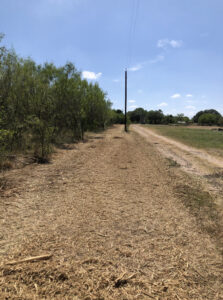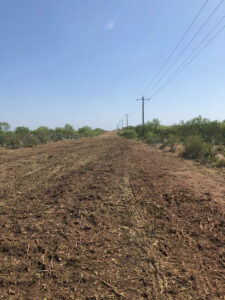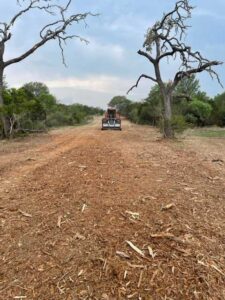
In Texas, right-of-way work demands the right tools and equipment in experienced hands for safety and success. Lone Star Land Services, based in San Antonio, supports infrastructure projects statewide by using professional-grade equipment designed for safety, efficiency, and predictable results.
Understanding why choosing appropriate land clearing equipment helps property owners, agencies, and utilities contract for successful right-of-way projects that protect people and critical systems.
Understand What Makes Right-of-Way Clearing Different From Standard Work
Right-of-way corridors run along roads, utilities, pipelines, and access routes. Unlike open acreage, these spaces are generally narrow, highly regulated, and close to traffic. Successful right-of-way clearing requires equipment that controls debris, maintains stability, and protects nearby infrastructure.
Standard land clearing equipment for pastures or private lots can be useful on tight easements, but situations often call for specialized machinery that can handle uneven terrain, overhead hazards, and strict clearance standards.
Match Equipment to Vegetation Removal Requirements
Of course, the first thing to consider is the size and types of trees and plants in a right-of-way.
Forestry Mulching as a Primary Maintenance Method
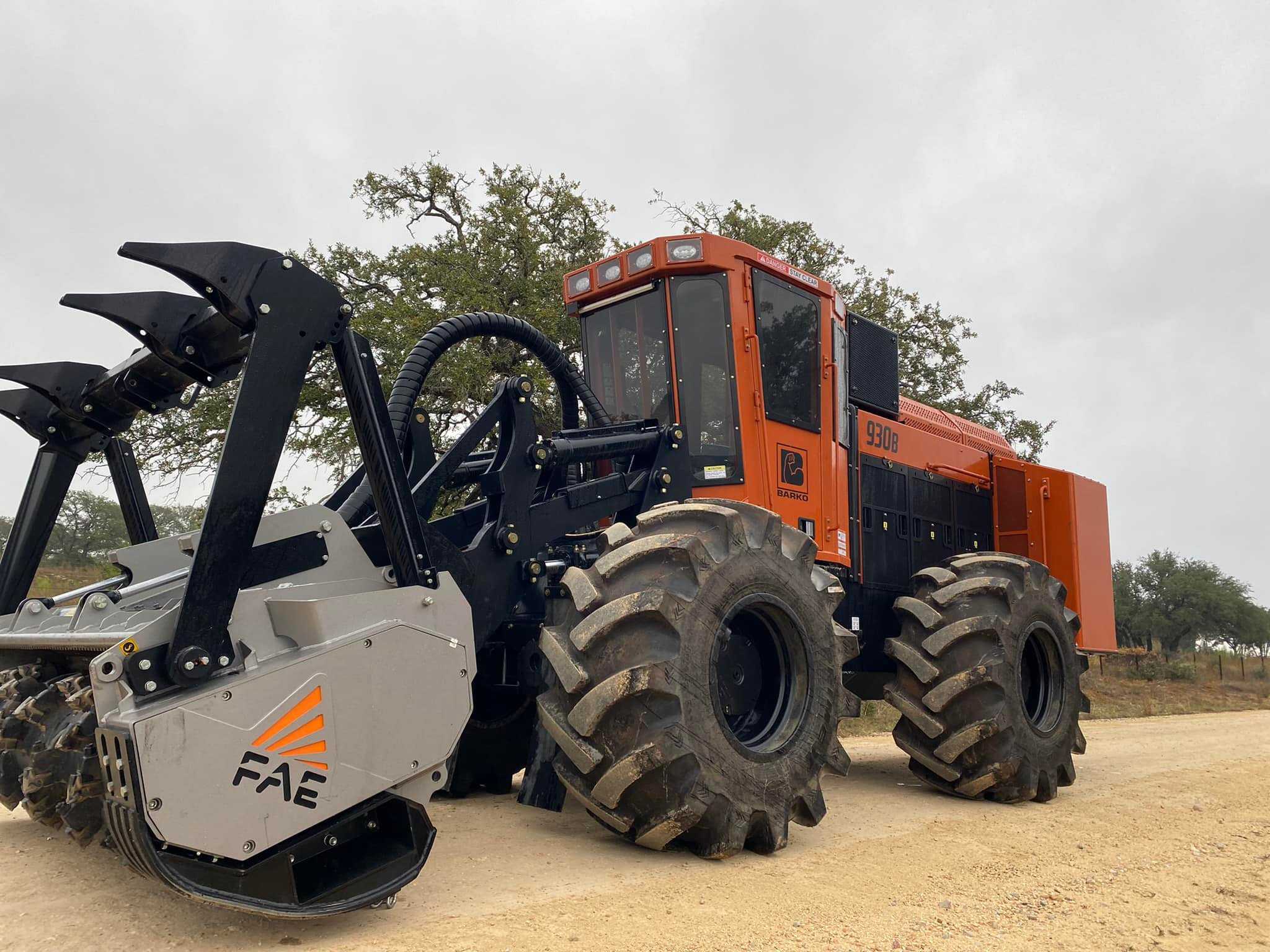
Forestry mulching plays a central role in corridor maintenance across Texas. Mulchers grind brush and small trees into organic mulch on site, reducing hauling needs and minimizing disturbance to sensitive topsoil. Tracked carriers provide stability on slopes, while excavator-mounted heads reach into steep ditches and embankments.
Professional mulching equipment includes guarded cabs, reinforced cooling systems, and high-flow hydraulics. These features protect operators and maintain consistent productivity during extended operations.
When Excavators Deliver Better Control
Excavators provide precision where mulchers fall short. Crews use them for selective vegetation removal, stump extraction, and ditch work. Attachments such as grapples, shears, and mulching heads allow controlled handling near utilities and fences.
Excavators also support site preparation tasks when corridors require clean grade, stable access lanes, or root removal. Their reach and lifting ability reduce risk in confined spaces.
Support Corridor Stability With the Right Earthmoving Equipment
Bulldozers and compact track loaders support access creation and grading. Dozers push material, shape drainage, and establish work pads. Track loaders handle staging, cleanup, and light grading.
Without proper earthmoving support, clearing work leaves ruts, erosion, and unstable surfaces. Equipment selection directly affects long-term corridor performance.
Address Ongoing Maintenance With Specialized Mowing Equipment
Right-of-way projects often continue beyond initial clearing. Land clearing crews rely on flail mowers, rotary cutters, and boom mowers to maintain sightlines and control regrowth. Flail mowers reduce projectile risk, while boom mowers reach slopes and ditches safely.
Maintenance equipment complements clearing machines by preserving clearance standards over time.
Manage Debris and Material With Purpose-Built Tools
Some projects require material removal rather than mulching. Chippers, grinders, loaders, and haul trucks support controlled debris handling. Magnetic sweeps recover metal near fence lines and roads.
Efficient debris management keeps corridors compliant and reduces inspection issues.
Prepare Sites Properly With Excavation Services Equipment
When clearing ties into construction, crews deploy excavation services equipment. Graders, compactors, water trucks, and erosion-control tools help finish surfaces and protect drainage.
This phase transforms cleared corridors into functional infrastructure. Equipment selection determines whether surfaces remain stable through storms and traffic.
Recognize the Safety Systems That Separate Professionals From DIY Efforts
Professional land clearing equipment includes safety features rarely found on rental machines. Guarded cabs, fire suppression, traffic control devices, radios, and utility locating tools protect crews and the public.
Operators also follow established protocols for exclusion zones, spotting, and hazard assessment. These measures reduce rollover, struck-by, and debris risks.
Compare Professional Equipment to DIY Alternatives Honestly
DIY tools handle light maintenance, not corridor-scale work. Consumer-grade machines lack hydraulic capacity, guarding, and durability for continuous duty. They also increase exposure to hidden or obscured hazards like wires, uneven terrain, and underground utilities.
Professional equipment consolidates steps, shortens timelines, and improves finish quality. Crews complete work with fewer mobilizations and less disruption.
See How Contractors Choose the Right Equipment Package
Experienced right-of-way clearing professionals evaluate corridor width, clearance height, vegetation type, terrain, and regulatory requirements. They then match machines to tasks, balancing productivity with safety.
Equipment selection also considers debris handling plans and erosion risks. This process ensures compliance and predictable outcomes.
Ask the Right Questions Before a Project Begins
Before you hire a professional clearing crew, ask detailed questions about their methods, machines, debris control, utility protection, drainage planning, and safety procedures.
You should expect clear answers when dealing with a contractor who prioritizes preparation and safe capability with the right equipment.
Seek Right-of-Way Guidance From Lone Star Land Services in San Antonio
Successful real estate projects depend on equipment that matches real-world demands. When you need experienced right-of-way clearing, land clearing services, or forestry mulching anywhere in Texas, Lone Star Land Services delivers professional results.
Call (210) 473-7750 or contact us online to get a free estimate for equipment-driven solutions that protect infrastructure and public safety.