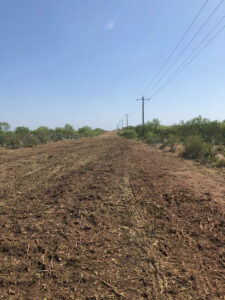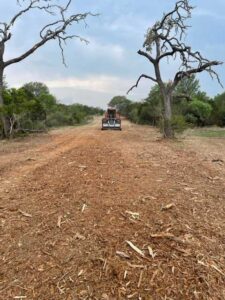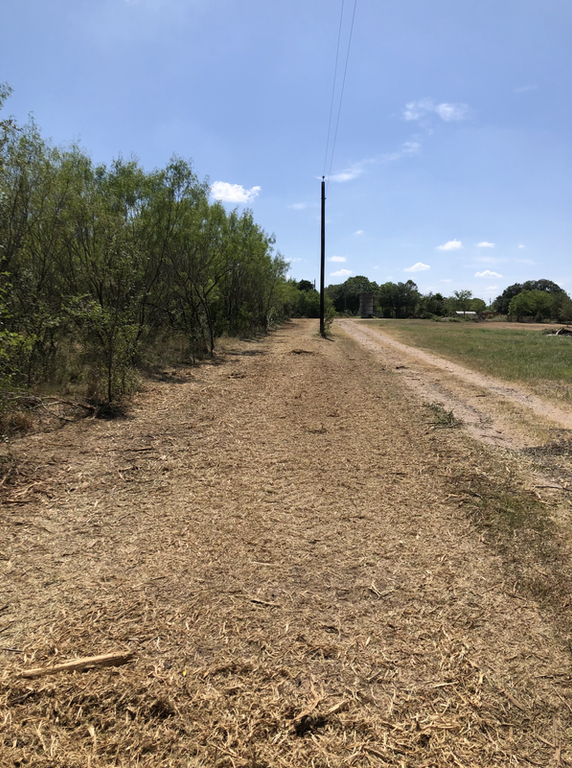
Right-of-way corridors across Texas support roads, utilities, pipelines, and drainage systems that communities rely on every day. In fast-growing regions like San Antonio, unmanaged corridors create delays, hazards, and rising maintenance costs.
Professional right-of-way maintenance provides a structured approach to land clearing that keeps these corridors usable and predictable. Lone Star Land Services works across the state to help property owners and agencies maintain corridors that support access, safety, and long-term maintenance.
Land Clearing Improves Access by Keeping Corridors Open and Workable
Reliable access to service corridors is essential for crews that need to inspect, repair, and maintain infrastructure without delay. Overgrown routes restrict movement, obscure equipment, and slow emergency response. Professional land clearing services restore functional access by maintaining travelways, staging areas, and clear sightlines so work proceeds efficiently and predictably.
Effective access planning extends beyond cutting visible growth. Experienced teams evaluate how vehicles, personnel, and equipment move through corridors under real working conditions.
Targeted vegetation management removes brush that narrows access, trims low limbs that snag trucks, and clears vines and understory that conceal hazards. That helps to ensure adequate maneuvering space for bucket trucks, tracked machines, inspection crews, and maintenance personnel on foot.
Key access improvements typically include:
- Travelway access that supports trucks, tracked equipment, and foot traffic
- Work-zone access that provides stable setup areas for staging, outriggers, and controlled removals
- Line-of-sight access that keeps poles, markers, valves, cabinets, and signage visible
Consistent access also limits damage outside the corridor. When crews have room to work, they avoid forcing machines through adjacent land or sensitive areas. In South and Central Texas, regrowth from mesquite and huisache makes routine brush and tree removal essential for keeping corridors usable year-round.
Reliable access also improves coordination between corridor owners and surrounding landowners during planned maintenance cycles.
Enhance Safety for Workers, Infrastructure, and the Public
Safety drives most right-of-way standards because unmanaged growth creates predictable risks. Professional right-of-way clearing supports infrastructure safety by reducing hazards tied to vegetation contact, limited visibility, and restricted movement. Crews prioritize removals that threaten power lines, roadways, drainage features, and buried utilities.
Along transportation corridors, overgrowth blocks signs, intersections, and pedestrian and wildlife crossings. Clearing restores sightlines and reveals hidden features such as culverts, embankments, and drainage paths. These improvements reduce collision risk and create safer work zones for maintenance crews operating near traffic or heavy equipment.
The leading safety benefits of proactive corridor clearing include:
- Reduced fire risk through the removal of dense brush and ladder fuels near energized lines
- Improved visibility that lowers collision risk and supports safer traffic flow
- Safer work environments for crews operating near roads, utilities, and slopes
Properly maintained corridors also reduce fire risk in dry conditions common across Texas. Removing dense brush and ladder fuels limits ignition potential near energized lines and access roads. Clear access allows faster response during outages or storms. Together, these measures protect workers, residents, and the surrounding property.
Clear corridors also improve situational awareness for workers and the public. Removing overgrowth exposes ground conditions, uneven terrain, and legacy debris that cause trips, equipment damage, or rollovers.
Professional crews assess slopes, soils, and visibility before work begins. This planning supports safer equipment positioning, controlled material handling, and predictable traffic interaction near active roadways.
Reduce Long-Term Maintenance Costs Through Planned Management
Compared to regular maintenance, reactive clearing costs more, disrupts the land, and increases risk. Proactive utility corridor maintenance uses scheduled cycles to control growth before it becomes unmanageable and expensive.
A structured program starts with routine inspections. Crews identify encroachments, dead trees, and fast-growing species early. Targeted brush and tree removal addresses issues while they remain small and manageable. Follow-up treatments manage regrowth and maintain predictable access.
Effective maintenance programs typically focus on:
- Routine inspection and documentation of vegetation conditions
- Targeted removal and pruning based on clearance and regrowth risk
- Follow-up control that stabilizes corridors and limits rapid return growth
Properly planned land clearing also supports drainage and surface stability. Teams protect slopes, ditches, and culverts while handling debris responsibly. Defined scopes outline boundaries, methods, and erosion controls. Over time, consistent maintenance reduces emergency mobilizations and infrastructure damage.
Maintenance planning also supports predictable budgets and staffing. When vegetation management follows defined cycles, organizations avoid unexpected expenses associated with emergency clearing.
Regularly scheduled work allows crews to combine tasks such as inspections, clearing, and minor land grading into a single visit. This efficiency reduces mobilization costs and shortens downtime. Well-managed corridors also recover faster after storms, preserving long-term corridor function.
Get Professional Guidance for Right-of-Way Clearing Projects in Texas
Lone Star Land Services provides professional land clearing services that improve access, safety, and long-term performance for right-of-way corridors across Texas. Property owners and agencies can rely on experienced crews who understand local conditions and regulatory expectations.
Contact Lone Star Land Services at (210) 473-7750 or contact us online for a free estimate and to discuss your right-of-way clearing needs.