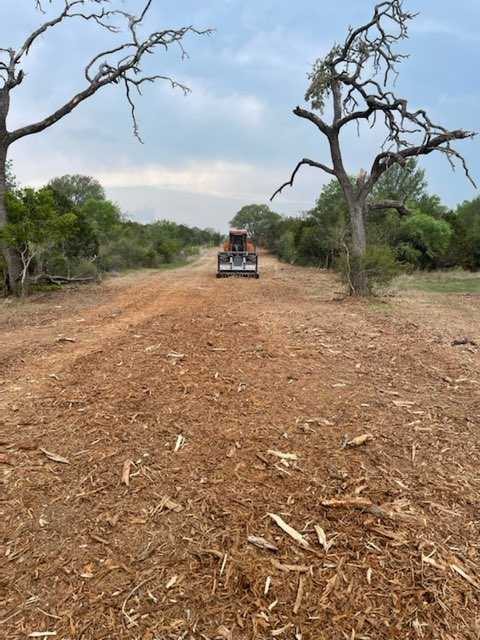
Cost to Clear Land In Texas: Complete Guide to Pricing, Methods, and Regulations
Land clearing in Texas covers removing brush, trees, stumps, and grading to prepare a site for development, pasture, or fire mitigation. Typical statewide costs vary widely because vegetation types, terrain, access, and disposal needs create large price swings; you can expect low-end jobs to run a few hundred dollars per acre while dense, wooded parcels often exceed several thousand dollars per acre. This guide explains average costs, how prices scale by acreage, which factors drive price differences, the primary clearing methods and their relative costs, permit considerations, and practical tips to lower project expenses. Readers will learn concrete per-acre examples, a method comparison to weigh forestry mulching versus bulldozing or manual work, and a contractor checklist for vetting bids. Throughout, I use Texas-specific conditions — cedar, mesquite, limestone Hill Country terrain, and Gulf Coast soils — to show why local context matters and how to get clearer, more comparable quotes. Understanding these variables helps landowners estimate budgets and plan the right scope before requesting onsite estimates.
What Is the Average Cost to Clear Land in Texas?
Average cost to clear land in Texas depends on vegetation, terrain, and scale, and typically falls into a low-to-high statewide band that reflects those variables. For light brush or overgrown pasture a simple mow-and-haul job can be on the low end, while dense cedar, mesquite tangles, or mature hardwoods require heavy equipment and stump removal that push costs up. Project size influences per-acre rates because mobilization and minimum charges create economies of scale for larger parcels, and disposal or grading add per-project costs. Below are typical per-acre examples to orient budgeting, followed by a quick table mapping acreage categories to expected cost ranges and typical conditions to clarify where your property fits.
| Acreage / Project Size | Typical Vegetation / Condition | Estimated Cost Range |
|---|---|---|
| < 1 acre | Light brush, small trees, easy access | $500 – $1,500 |
| 1 acre | Mixed brush or small hardwoods | $1,000 – $3,000 |
| 5 acres | Thick cedar/mesquite or mixed wooded | $1,500 – $4,000 per acre |
| 20+ acres | Heavily wooded with stumps/grubbing | $800 – $2,500 per acre (volume pricing) |
This table shows that per-acre costs often decline with larger projects, but the presence of dense cedar or required stump grinding can reverse that trend. The next subsection breaks the 1-acre scenario into light, medium, and heavy conditions to illustrate time and cost drivers.
How Much Does It Cost to Clear 1 Acre of Land in Texas?
Clearing one acre in Texas ranges broadly because the vegetation category sets most of the price: light brush is inexpensive, dense cedar or timber is costly. For light brush, expect roughly $500–$1,500 per acre when forestry mulching or a small excavator handles material without significant hauling. Medium-density sites with scattered trees and thicker brush commonly run $1,500–$3,000 per acre when stump grinding and debris hauling are included. Heavily wooded or cedar-dominated acres requiring felling, full stump removal, and grading can exceed $3,000–$5,000 per acre. Typical timelines for a 1-acre job span from a half-day for light mulching to two or more days for heavy grubbing, with labor and equipment hours scaling to vegetation density and access. Understanding these ranges helps property owners prepare realistic budgets before contractors visit.
What Are Typical Price Ranges for Small and Large Acreage?
Price scaling across project sizes shows both minimum charges and economies of scale that affect the final bid and per-acre math. Small parcel jobs under one acre often carry a minimum call-out fee, so per-acre costs may appear high compared with bulk clearing; contractors factor in mobilization, labor minimums, and travel time into those estimates. For parcels of 1–5 acres, per-acre pricing becomes more normalized as equipment stays on-site and time becomes more efficient, while on projects above 20 acres you frequently see volume discounts because mobilization is amortized across the acreage. Mobilization costs, required erosion control or grading, and disposal logistics can create step-changes in price for any band. When planning, request bids that separate mobilization, per-acre clearing, stump work, grading, and debris hauling to reveal where savings or overruns can occur.
Which Factors Affect Land Clearing Costs in Texas?
Several discrete factors determine a land clearing estimate: vegetation density, terrain and soil, site accessibility, equipment needs, labor rates, debris disposal, and permit fees. Each factor links directly to time, specialized machinery, or regulatory work; for example, steep slopes require smaller tracked equipment or manual work that increases hours and cost. Evaluating a parcel against these drivers helps form a simple complexity score and a predictable price adjustment. Below is a concise set of primary cost drivers with short explanations to guide initial self-assessment and to prepare better questions for contractors.
- Vegetation density and type influence cutting time and equipment required.
- Terrain and soil condition determine whether heavy machinery or manual work is feasible.
- Accessibility and distance from roads affect mobilization and hauling costs.
- Permits and environmental protections may add inspection fees or mitigation tasks.
- Debris disposal, grinding, and hauling contribute direct per-project expenses.
Assessing these elements on your parcel narrows the likely cost band and informs whether mulching, mechanical clearing, or staged work will be most cost-effective.
How Does Vegetation Density Impact Land Clearing Prices?
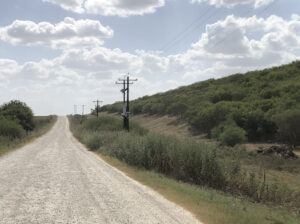
Vegetation density is often the single largest multiplier in a quote: light grass and brush permit quick rotary mowing or mulching, while dense cedar, mesquite thickets, or mature timber require felling, limb removal, stump grinding, and sometimes specialized forestry mulchers that run slower in heavy loads. Light brush jobs normally use less fuel, shorter equipment hours, and minimal hauling, producing lower rates. Dense cedar can triple or quadruple labor and equipment time per acre because each tree may need cutting, mulching, and stump treatment; standing timber may add value if sold, but converting that to offset clearing costs requires markets and logistics. Contractors typically categorize sites as light, medium, or heavy during estimates; knowing your category speeds accurate bids and reduces surprises at invoicing.
What Role Do Terrain and Accessibility Play in Cost Variation?
Slope, rockiness, wetlands, and gated or narrow access routes influence both safety and equipment selection, which in turn affects hourly rates and time on site. Steep Hill Country slopes often prevent large dozers and require tracked excavators or hand crews, increasing labor hours and reducing clearing speed. Rocky or limestone soils wear teeth and tracks faster and may require different attachments, raising equipment rental or maintenance pass-throughs. Long carry distances from road to work area increase time for material transport and may require additional labor for access roads or temporary staging, adding to mobilization charges. Considering terrain early in planning allows you to budget for access improvements or select methods that minimize cost while preserving site stability.
What Are the Most Common Land Clearing Methods and Their Costs?
Land clearing methods in Texas include forestry mulching, bulldozing/mechanical clearing, manual/hand clearing, cut-and-grind (fell then grind), and grubbing/stump removal; each method suits different site conditions and budget constraints. Forestry mulching shreds vegetation and leaves organic mulch in place, reducing hauling and protecting soil, while bulldozing clears quickly but creates disturbance and often requires hauling spoils. Manual clearing is selective and best for sites needing minimal disturbance or where regulations restrict heavy machinery. The table below compares methods by pros, cons, and typical cost ranges to help match method to goal.
| Method | Pros / Cons / Typical Cost | Best Use Case / Notes |
|---|---|---|
| Forestry mulching | Pros: preserves topsoil, less hauling. Cons: slower on very large trees. Cost: $500–$2,500 per acre. | Best for brushy, cedar, or selective clearing with soil protection. |
| Bulldozing / mechanical | Pros: very fast. Cons: high disturbance, hauling needed. Cost: $1,000–$4,000+ per acre. | Best for open fields or demolition where rapid removal is priority. |
| Manual clearing | Pros: precise, low impact. Cons: slow, labor intensive. Cost: $30–$100 per hour per worker. | Best for sensitive areas, fences, or near structures. |
| Cut-and-grind | Pros: removes stumps; Cons: cost and time. Cost: $1,500–$5,000 per acre including grinding. | When full stump removal and site prep for grading are required. |
| Grubbing / root removal | Pros: prepares for foundations. Cons: expensive and invasive. Cost: $2,000–$6,000 per acre. | Required for construction sites needing deep foundational prep. |
This comparison clarifies trade-offs between speed, site impact, and costs; the following subsections explain forestry mulching and the bulldozer vs manual trade-offs in more detail.
How Does Forestry Mulching Work and What Are Its Rates in Texas?
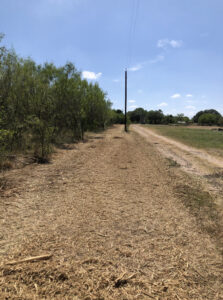
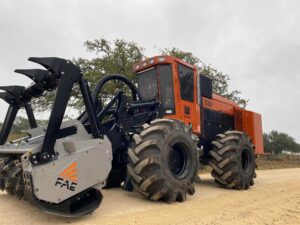
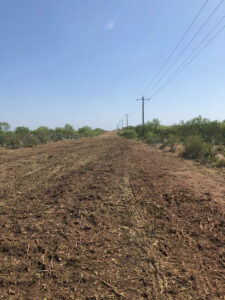
Forestry mulching uses specialized machines with rotating cutting heads that shred trees and brush into mulch, leaving organic material on-site to stabilize soil and suppress regrowth; this process reduces hauling costs and supports erosion control. Typical rates in Texas vary by density: light brush mulching may run $500–$1,200 per acre, medium density $1,200–$2,000 per acre, and very heavy cedar/timber sites $2,000–$3,500+ per acre because of slower throughput and extra pass work. Hourly rates for mulching attachments or machines can range and often include mobilization; projects that avoid hauling and grinding usually show lower total costs than mechanical removal that produces debris requiring disposal. Because mulching leaves groundcover, it can reduce downstream grading and seeding costs, making it a cost-effective, eco-friendly option for many Texas parcels.
Costs of Silvicultural Best Management Practices on Private Forest Lands in East Texas
ABSTRACT: Haney, Judy Carol.Stephen F. Austin State University ProQuest Dissertations & Theses, 1999. 1394125.
Costs of silvicultural best management practices on private forest lands in East Texas, 1999
This study provides valuable insights into the financial aspects of land management practices in East Texas, which can inform budgeting for similar projects.
What Are the Pros, Cons, and Costs of Bulldozing vs. Manual Clearing?
Bulldozing and mechanical clearing are fast and effective for removing large stands and preparing sites for grading, but they create substantial site disturbance, can increase erosion risk, and frequently require haul-off of debris which raises costs. Manual clearing is much slower and more labor-intensive but offers precision near structures, preserves desirable trees, and minimizes environmental impact; it is commonly used for selective clearing or in areas with access constraints. Cost-wise, heavy mechanical work often appears cheaper per acre on very large tracts due to speed, while manual clearing may be more economical only when the scope is limited or when minimizing disturbance avoids costly remediation. Choosing between these methods depends on project goals: speed and volume versus selectivity and conservation.
What Are the Permit Requirements and Regulations for Land Clearing in Texas?
Permit needs for land clearing in Texas vary by jurisdiction, project scope, and environmental context; some routine clearing may require no permit, while work that affects wetlands, riparian buffers, critical habitats, or involves grading/erosion control almost always triggers permitting and oversight. Local county or city regulations determine tree protection ordinances, required sediment controls, and whether a land development or grading permit is necessary; state-level agencies may become involved when water bodies or endangered habitats are implicated. It is essential to verify local rules early to avoid fines and stop-work orders, and to plan permit timelines into project schedules since reviews and mitigation conditions can add both time and cost. The subsections below provide a quick checklist on when permits are typically required and how permit fees can vary.
Do You Need a Permit to Clear Land in Texas?
Permits are sometimes required; the answer depends on location and project impact. Small-scale clearing for routine vegetation control on private land commonly does not require a permit unless it affects protected areas, regulated drainage, or municipal tree ordinances. Conversely, clearing tied to development, grading, new construction, or work within defined setbacks and riparian zones typically requires local permits and possibly state approvals. Always contact county or city planning, or the relevant water/wildlife agency when wetlands, streams, or endangered-species habitat might be present. Confirming permit requirements before work begins avoids fines and ensures required mitigation like erosion fencing or replanting is included in bids.
How Do Permit Costs Vary by County or City?
Permit fees and review timelines vary widely because some municipalities charge flat application fees while others scale by disturbed acreage, valuation, or complexity; typical simple permit fees often range from modest administrative amounts to several hundred dollars, while complex environmental reviews can cost more in consultant fees and mitigation. Counties with high development activity or stringent tree protections may have higher application and inspection fees, while rural counties often have lower baseline costs but may require additional environmental assessments for sensitive habitats. Allow for permit-related time and potential consultant or survey costs when budgeting, and ask contractors to itemize permit fees and who will secure approvals in written quotes.
How Can You Choose the Right Land Clearing Contractor in Texas?
Selecting the right contractor hinges on checking credentials, equipment capability, environmental practices, references, and clear written scopes that separate mobilization, clearing, stump work, grading, and disposal. A strong contractor will provide onsite estimates, delineate exclusions, carry insurance for property damage and worker safety, and describe erosion-control practices for soils common in your region. Requesting multiple bids and using a standard scope checklist makes quotes comparable and reduces surprises; below is a practical list of evaluation criteria to use when vetting contractors, followed by guidance on getting accurate, apples-to-apples quotes.
- Verify Insurance: Confirm general liability and workers’ compensation coverage before work begins.
- Check Equipment & Capability: Ensure the contractor has machines suited to your terrain and vegetation type.
- Ask for References: Request recent projects with similar conditions and verify results.
- Demand a Written Scope: Require line-item pricing for mobilization, clearing, stump grinding, hauling, and grading.
What Should You Look for When Hiring a Land Clearing Service?
When hiring, prioritize proper insurance, local experience with Texas soil and vegetation types, availability of the necessary attachments (mulcher heads, grinders, excavators), and demonstrated erosion-control practices. Contractors who document their scope, exclusions, and cleanup responsibilities reduce the risk of disputes and unexpected charges; also ask whether the bid includes permit coordination or if that remains the owner’s responsibility. Red flags include vague scopes, verbal-only estimates, unusually low bids without explanation, and reluctance to provide references. Insisting on a written contract that includes scheduling, payment milestones, and remediation responsibilities protects both parties and clarifies expectations before work begins.
How to Get Accurate Land Clearing Quotes in Texas?
To obtain comparable quotes, prepare a concise packet for bidders: clear site photos, a sketch of the work area with dimensions, access notes (gates, fences, trailer turnarounds), known utilities, desired preservation areas, and whether you require stump removal or final grade. Encourage contractors to perform onsite inspections for final bids and request itemized proposals that separate mobilization, per-acre clearing, stump grinding, hauling, and grading. A sample set of questions to include in your RFQ improves apples-to-apples comparisons: ask about included erosion control, debris disposal method, expected timeline, and warranty or re-sprout control options. Onsite estimates reduce variance and lead to more accurate budgeting.
What Are Effective Cost-Saving Tips for Clearing Land in Texas?
There are practical strategies to lower clearing costs without compromising final site goals: choose the most appropriate clearing method, phase the work, salvage and sell merchantable timber or brush where markets exist, perform preparatory tasks yourself, and schedule work to reduce mobilization and seasonal complications. Each approach targets specific cost drivers—reducing haul, minimizing equipment hours, or creating revenue from biomass. The short table below maps common savings strategies to how they reduce costs and gives example impacts to make trade-offs concrete.
| Strategy | How it Saves Money | Estimated Impact / Example |
|---|---|---|
| Choose mulching over hauling | Eliminates debris hauling | Saves hundreds to thousands per acre on brushy sites |
| Phase work | Reduces mobilization repeats | Lowers mobilization by 30–50% on staged projects |
| Sell salvage timber | Offsets clearing costs | Revenue varies; can reduce net expense significantly |
| Do prep work (fencing removal) | Lowers contractor labor time | Trims hourly charges for initial mobilization |
How Can Choosing the Right Clearing Method Save Money?
Selecting mulching for brush-dominated sites often saves money because it reduces the need for hauling, lowers disposal fees, and preserves topsoil that would otherwise require reconditioning. Conversely, bulldozing might be fastest for rubble or demolition debris where mulch is not desirable, but it typically increases hauling and grading costs. For properties with merchantable timber, selective cutting and sale can offset clearing expenses, while staged clearing—first mulching, later grinding stumps when funds allow—spreads costs. Analyze total lifecycle costs, not just upfront prices, to choose the method that minimizes overall expense for your project goals.
What Are Other Strategies to Lower Land Clearing Costs?
Timing, logistics, and negotiation can produce meaningful savings: schedule work in dry conditions to avoid bogging and extra equipment time, negotiate mobilization fees when you can consolidate multiple nearby projects, bundle related services like grading and erosion control to secure package pricing, and perform prep tasks such as removing small personal structures or fencing yourself to reduce contractor hours. Also consider engaging local recyclers or biomass buyers to remove value from cleared material rather than paying for landfill disposal. Applying these tactics together can reduce net clearing costs while maintaining the site’s readiness for its intended use.
This guide has mapped cost ranges, influential factors, method comparisons, permitting considerations, contractor-selection best practices, and cost-saving strategies tailored to Texas conditions. Use the provided tables, checklists, and questions to get clearer bids and align clearing methods with your budget and land-use goals.