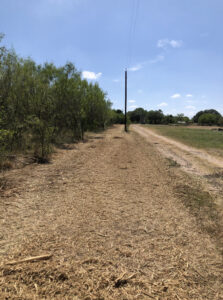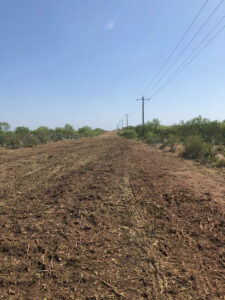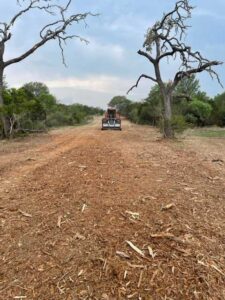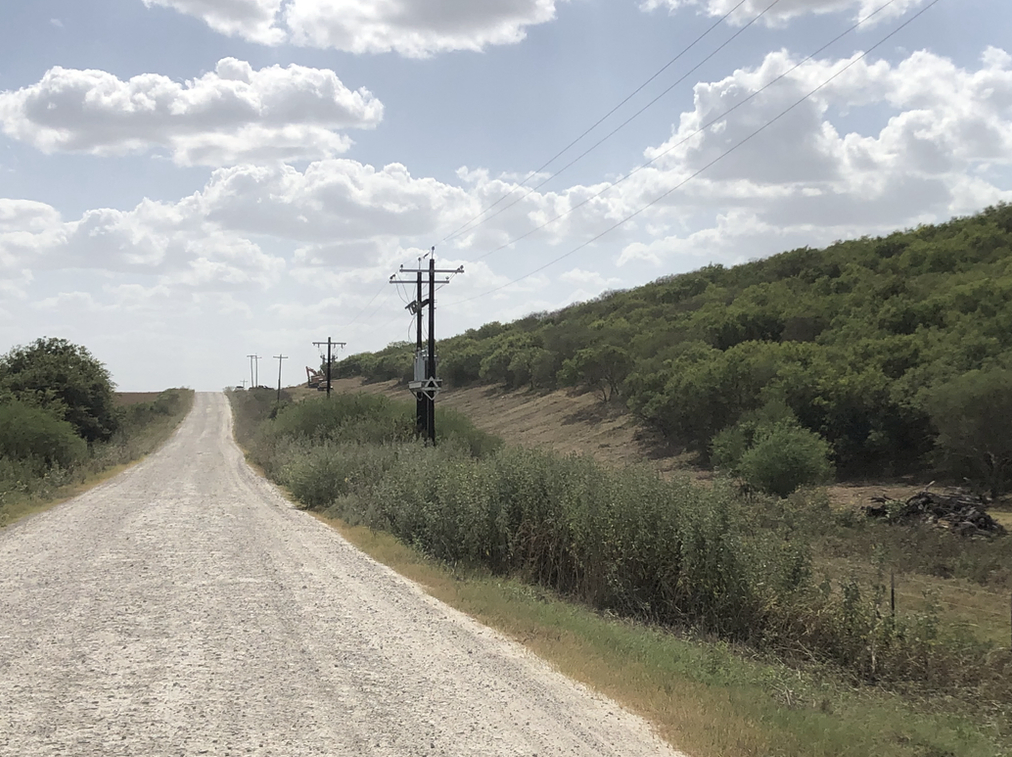
Property owners in Texas face complex decisions when they need professional right-of-way clearing. Corridors tied to roads, utilities, pipelines, and drainage demand specialized knowledge, disciplined execution, and clear accountability.
Lone Star Land Services, headquartered in San Antonio, understands land clearing demands statewide, and we want to help property owners know how to evaluate providers before work begins.
Start by Defining the Right-of-Way Corridors on Your Property
Right-of-way corridors are those over which another party has access rights for infrastructure or transportation. They appear in recorded easements, surveys, plats, or public right-of-way maps. A clear understanding matters because the rules governing land clearing, disposal, and restoration vary depending on who controls the corridor.
Before contacting contractors, gather surveys and easement documents. Identify whether the corridor serves a public road, drainage feature, utility line, pipeline, or internal access route. This step shapes every recommendation that follows.
Clarify the Desired Outcome Before You Request Estimates
Successful projects start with a defined objective. Right-of-way clearing rarely focuses solely on aesthetics. Common goals include maintaining access, improving visibility, reducing wildfire fuel, or supporting property preparation for future construction.
Consider the factors that influence pricing and methods the most, including:
- Corridor width and total length
- Target vegetation types and density
- Stump handling expectations
- Final surface condition
- Whether land grading or drainage work applies
Clear objectives allow professionals to propose appropriate vegetation management strategies.
Recognize Specialized Experience That Goes Beyond General Land Clearing
Not all clearing experience translates to corridor work. Right-of-way projects involve greater exposure to traffic and utilities, as well as strict regulatory oversight. Competent contractors can demonstrate specific corridor experience above and beyond generic ranch or lot clearing.
Look for teams that describe repeatable standards and maintenance cycles and can show you documented corridor work. Proven experience reduces surprises and costly errors.
Confirm Licensing for Herbicide-Based Vegetation Management
Some corridors require chemical control to limit regrowth. When herbicides form part of the plan, contractors must hold proper Texas licensing. Qualified providers explain who applies treatments, what products they use, and how they protect surrounding land.
Lack of licensing creates liability for property owners. Verification protects everyone involved.
Evaluate Environmental and Safety Awareness Early
A solid contractor understands stormwater rules, drainage protection, and sensitive habitat considerations. If clearing disturbs significant acreage or affects waterways, additional controls may apply.
Safety discipline matters just as much. Corridor work exposes crews to traffic, overhead hazards, and underground utilities. Written safety plans and utility coordination indicate professionalism.
Match Equipment to the Desired Finish
The best firms select equipment based on outcome, not convenience. Forestry mulching suits many Texas corridors by controlling regrowth while minimizing hauling. Excavators support selective brush removal and root extraction where precision matters. Dozers assist when grade changes or access roads require reshaping.
A knowledgeable provider explains the land clearing tradeoffs related to erosion, regrowth, and surface stability.
Understand the Professional Cost Estimation Process
Reliable estimates follow site evaluation. Professionals walk corridors, measure quantities, identify obstacles, and document assumptions. They define exclusions clearly and avoid vague pricing.
Quality proposals describe scope, methods, debris handling, restoration responsibilities, and scheduling. This clarity protects budgets and timelines.
Ask Focused Questions in Advance
Before selecting a contractor, ask:
- How will you define and mark the corridor?
- Which clearing method fits my objective, and why?
- What permits or approvals apply?
- What finish standard should I expect?
- How will you manage debris and restoration?
Look Beyond Price When Comparing Estimates
Low right-of-way clearing bids often signal incomplete scope or limited cleanup. Compare proposals line by line, focusing on defined acreage, methods, disposal plans, restoration details, insurance coverage, and exclusions.
When calculated correctly, pricing should reflect vegetation density, access challenges, disposal distance, traffic control needs, and environmental constraints.
Require Clear Contract Terms Before Work Begins
A professional agreement defines corridor limits using maps or linear footage, specifies clearing methods, and establishes measurable finish standards, such as stump height or mulch depth. It assigns responsibility for permits, utility coordination, traffic control, and erosion measures when soil disturbance occurs.
The contract should:
- Require current liability, workers’ compensation, and auto coverage
- Identify the on-site supervisor
- Explain the inspection criteria
- Establish milestone-based payments tied to verified progress
Watch Out for Red Flags
Warning signs include refusing site walks, vague scope language, missing insurance certificates, or the absence of a debris handling plan. Be cautious when pricing ignores access, drainage, or regulatory constraints, or timelines seem unrealistic for corridor length and vegetation density.
Professional right-of-way clearing relies on planning, documentation, and traceable decisions, not assumptions or promises.
Seek Expert Guidance From Lone Star Land Services Across Texas
Choosing the best provider requires preparation and informed evaluation. When Texas property owners need experienced right-of-way clearing, vegetation management, brush removal, forestry mulching, or land grading, Lone Star Land Services delivers disciplined solutions statewide.
Call our expert team at (210) 473-7750 or contact us online to get a free estimate for your land clearing needs.